
Does Zay Flowers' target volume earn a start while his availability is unresolved? We start him if the inactive list clears him, with a receiver ready to take the spot if it doesn't. In FCT's Week 3 data, Flowers drew 6 targets. Those chances give us a receiving path worth preserving while we wait for the availability decision.
The questions
Keep a finger on the lineup until each inactive list posts shortly before kickoff. The question in each row is the one that changes the move: whether a player can take the field, whether his workload holds, or whether the ball reaches him often enough.
| Player | Matchup | Week 4 Rank | The Question | Our Answer |
|---|---|---|---|---|
| Zay Flowers (BAL, WR) | vs.TEN | WR2 | Will his questionable status keep him out? | Start if the inactive list clears him; pivot to your next-best receiver if out. |
| Kenyon Sadiq (NYJ, TE) | atCHI | TE17 | Will his back issue leave him available? | Sit unless the inactive list clears him and you need his catch volume; pivot to your next-best tight end if out. |
| Mike Evans (SF, WR) | vs.DEN | WR20 | Will the rib issue affect his workload? | Start if active without a usage warning; pivot to your next-best receiver if out. |
| Ladd McConkey (LAC, WR) | atSEA | WR25 | Will the foot issue cost him snaps? | Start in the flex if active without a workload warning; pivot to your next-best receiver if out. |
| Terry McLaurin (WAS, WR) | vs.IND | WR28 | Will the hamstring issue interrupt his targets? | Start if active without a reported limit; pivot to your next-best receiver if out. |
| Bo Nix (DEN, QB) | atSF | QB12 | Can his passing workload support a start? | Start if kickoff news brings no workload warning; check his attempts in the next box score. |
| Rhamondre Stevenson (NE, RB) | atBUF | RB24 | Are there enough carries to trust him? | Sit unless pregame workload news points to steadier carries; check his next box score. |
| Josh Downs (IND, WR) | atWAS | WR24 | Will he keep getting targets? | Start in the flex if kickoff news leaves his target role intact; check his next box score. |
| Dalton Schultz (HOU, TE) | vs.DAL | TE12 | Does limited practice raise a workload concern? | Sit unless kickoff news leaves his workload clear; check his next snap count. |
| Aaron Jones (MIN, RB) | vs.MIA | RB23 | Will limited practice change his touches? | Start if kickoff news carries no usage restriction; pivot if a limit is reported. |
Game-time decisions
The inactive list is the last lineup-lock check for these calls. An active designation permits a start, while a reported workload restriction can still change it.
Zay Flowers' receiving chances keep him in our starting plans while the lineup remains open. He played 21 offensive snaps in Week 3. Zay Flowers had limited practice participation for a non-injury reason and is questionable on the Week 4 injury report. We still want access to his targets if he is available, though a fresh usage warning would change how many chances we expect. Check the inactive list shortly before kickoff. Start Flowers if active unless kickoff news reports a restriction; if he is out, use the receiver pivot.
Kenyon Sadiq's catch volume makes this a harder decision than an automatic benching. He drew 8 targets in Week 3. Kenyon Sadiq had limited practice participation with a back issue and is questionable on the Week 4 injury report. We would need that receiving opportunity in the lineup to accept the availability risk. Watch for the inactive list shortly before kickoff. Sit Sadiq by default, then consider the start if he is active and you need catches from the spot. If he is out, use your next-best tight end.
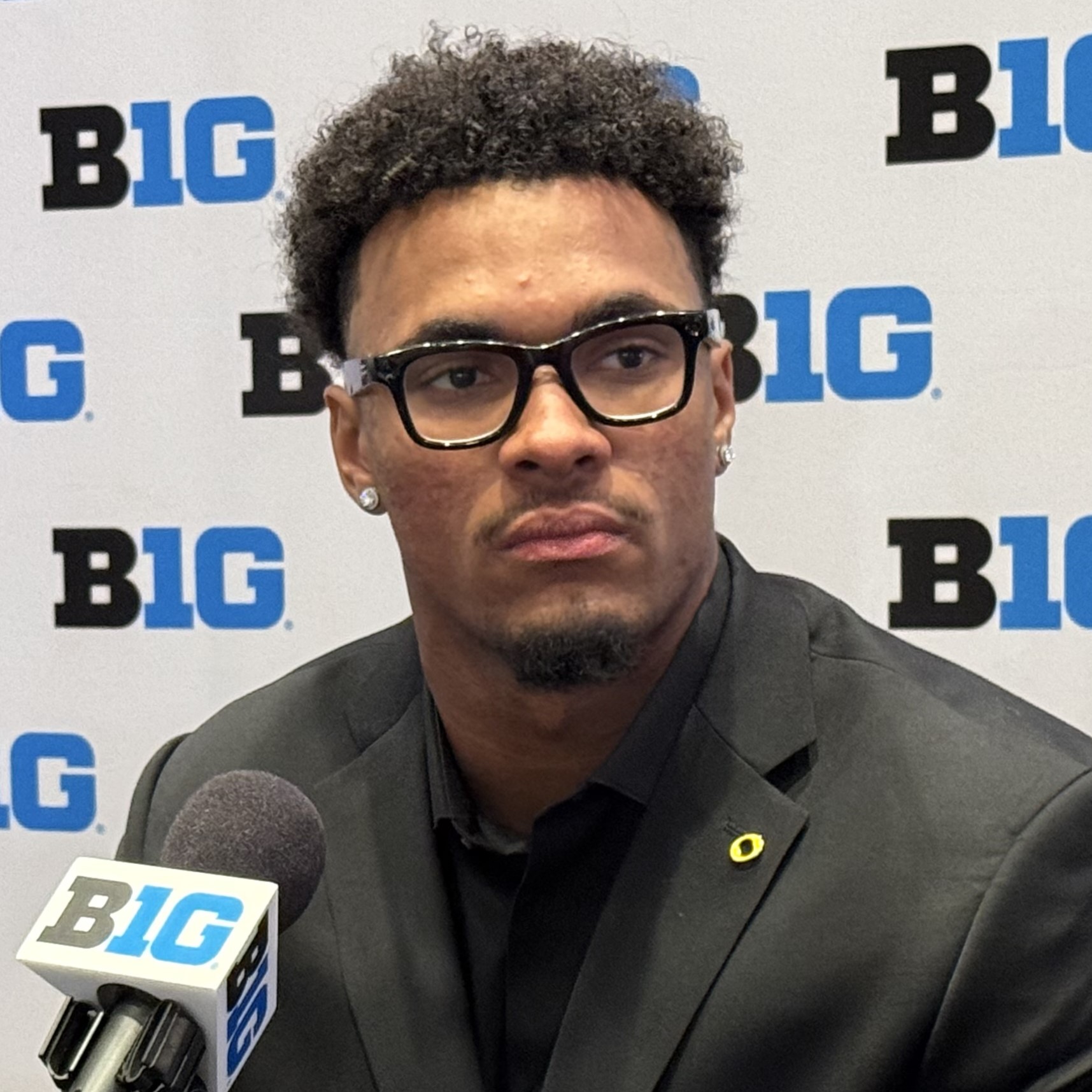
Mike Evans gives us a receiving path that is worth holding open until his status is confirmed. He drew 6 targets in Week 3. Mike Evans had limited practice participation with a rib issue and is questionable on the Week 4 injury report. We are comfortable starting him if he can take his usual opportunities, but a reported usage restriction would change the call. Confirm his status on the inactive list shortly before kickoff. Keep Evans in if active without a workload warning; if he is inactive, move to your prepared receiver.

Ladd McConkey's flex decision turns on whether his foot issue changes his time on the field. He played 61 offensive snaps in Week 3. Ladd McConkey had limited practice participation with a foot issue and is questionable on the Week 4 injury report. That recent playing time makes a flex start reasonable if no restriction is reported. Monitor the inactive list shortly before kickoff. We keep McConkey in if he is active without a workload warning, but pivot to another receiver if he is out or kickoff news points to managed usage.

Terry McLaurin's target opportunity is the reason we want a start ready for him at lineup lock. He drew 9 targets in Week 3. Terry McLaurin had limited practice participation with a hamstring issue and is questionable on the Week 4 injury report. Receptions and yardage offer a scoring path even if a touchdown does not arrive, provided his workload is intact. The next check is the inactive list shortly before kickoff. Start McLaurin if active without a reported limit; an inactive designation sends us to the receiver pivot.

Lineup-line calls
For these spots, we picture the ball reaching Bo Nix, Rhamondre Stevenson, Josh Downs, Dalton Schultz or Aaron Jones before deciding on a start. We want a plausible path through passes, carries or targets, with the next workload check attached to each move.

Bo Nix has a passing-volume case for a start near the lineup line. He attempted 34 passes in Week 3. Attempts create chances for yardage and scores, which is why we trust the start if his expected workload remains intact. We do not need to assume another scoring play to make the move. Check kickoff news for a workload warning before locking in Nix. If none appears, start him; afterward, check his attempts in the next box score when making the next lineup decision.
Rhamondre Stevenson needs carries to make a rushing-based start worthwhile. He had 7 carries in Week 3. That workload leaves us hesitant to count on gains accumulating through repeated touches. We sit Stevenson unless pregame news specifically points to steadier carries; a general assurance that he is available would not answer the workload question. The next check is his carries and targets in the next box score. If the touches change, we can revisit his place in a future lineup.
Josh Downs has a catch-based path into our flex spot. He drew 11 targets in Week 3. Each chance to catch a pass creates a route to reception and yardage points, so we are willing to use him if kickoff news leaves that opportunity intact. Confirm his expected target role before lineup lock, then start Downs in the flex if there is no change. A reported role warning would send us to another available option. Check his targets in the next box score before carrying this call forward.
Dalton Schultz needs clearer receiving opportunity before we trust the start. He drew 3 targets in Week 3. Dalton Schultz had limited practice participation. We sit him unless the injury report and kickoff news leave his workload clear enough to use; simply being available does not resolve the target question for us. A reported restriction would reinforce the bench call. Monitor his snaps and targets in the next box score to decide whether he has earned a different move next time.
Aaron Jones has a carry-based reason to stay in our lineup. He had 17 carries in Week 3. Aaron Jones had limited practice participation. We start him if kickoff news reports no usage restriction, because another usable touch workload would give him repeated chances to gain yards. A reported limit would break that call and send us to a pivot before lock. After the game, check Jones's carries in the next box score before assuming the same workload for another week.
Closing lineup rule
Set the available starters, then act on each inactive list shortly before kickoff. After the games, check the next box scores for the carries, targets and snaps behind these moves; a changed workload should change our next lineup decision.